

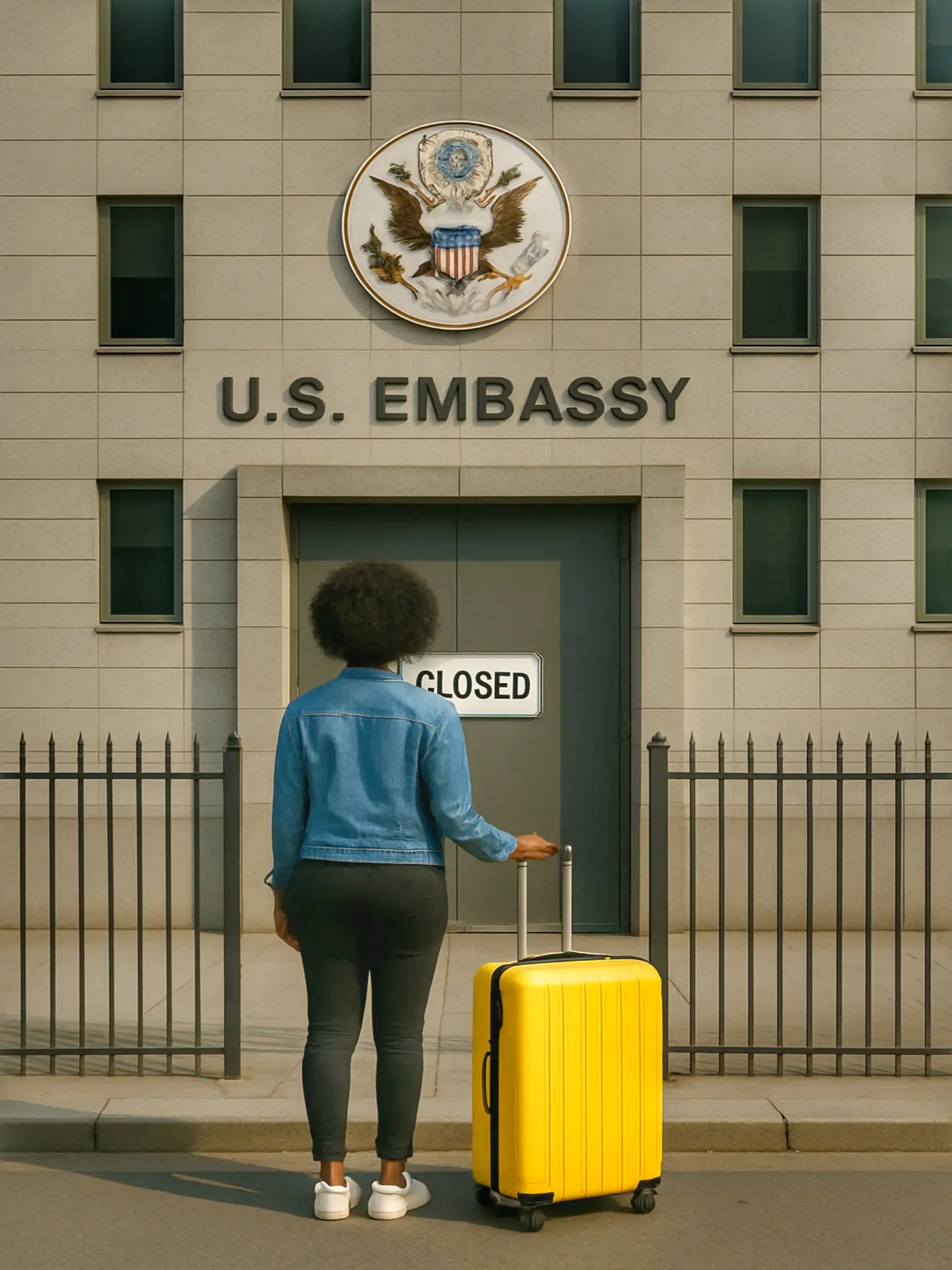
U.S. embassy layoffs and government infrastructure cuts aren’t just bureaucratic changes—they shape who gets access, movement, and representation. This post explores how dismantling government infrastructure affects passports, visas, and basic services, revealing the deeper impact on power, freedom, and whose voices get heard in a shifting global landscape.
Tag: government policy changes
This tag covers government policy changes, decisions, regulatory updates, and rule changes that affect how we travel. These posts explain shifting policies in plain language, including visas, mail and shipping rules, airport procedures, security measures, and border requirements. Each piece helps travelers understand what changed, why it matters, and how to plan around new regulations with clarity and confidence.
TRAVEL MONEY & PLANNING

Read more
BRICS and Travel Costs: What Americans Should Know Right Now
BRICS is changing global trade, which could affect travel costs, payment methods, and routes. Currency shifts may raise prices for Americans, while new airline connections and upgraded infrastructure could improve travel within BRICS countries. Travelers should watch exchange rates, visas, and local payment systems as these changes unfold.
SLOW TRAVEL & LIVING ABROAD
Read more
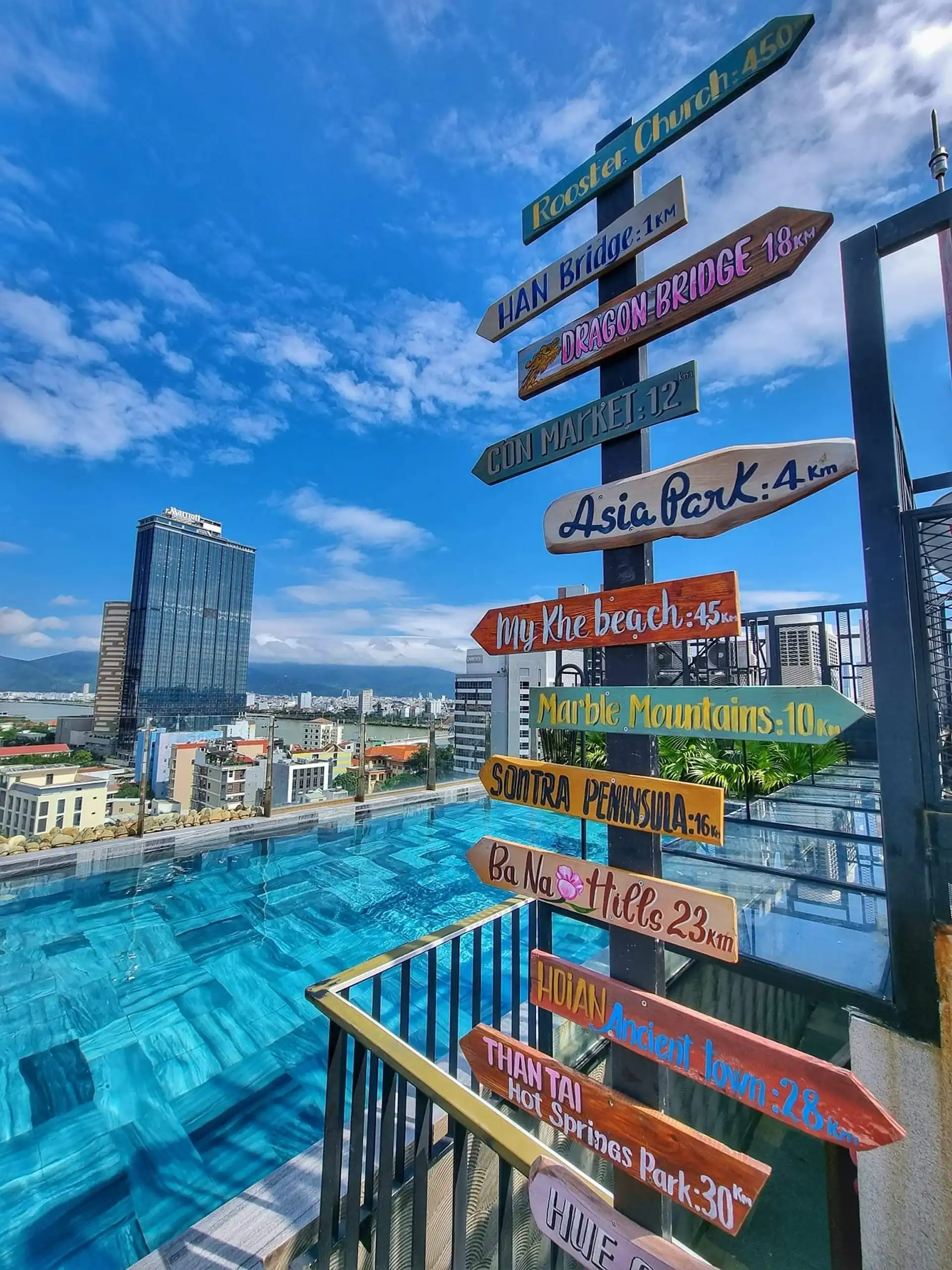
Leaving America: What a Better Life Actually Looks Like
Most mornings feel flat, like I’m just going through the motions. I make coffee, scroll my phone, and nothing feels real. But then I think about the life I had when I lived abroad—how even simple things felt new and meaningful. I remember walking through markets, hearing languages I didn’t know, sitting in cafes with no pressure to rush. That life made me feel awake. I don’t want another quick trip or break from routine. I want a life that feels like it matters—where I’m curious again, where things make sense, and where I feel like myself.
SLOW TRAVEL & LIVING ABROAD

Read more
Leaving America: The Truth About Staying in the U.S. for Family
I used to say we stayed in the U.S. for family. It sounded noble. Responsible. Like something a good daughter, mother, or sister would say. But after moving back from South Korea and spending a year and a half trying to make that reason feel true, I’ve started to question…
TRAVEL EXPERIENCES

Read more
What You Need to Know About the Thailand Digital Arrival Card
Starting May 1, 2025, all travelers to Thailand must complete the Thailand Digital Arrival Card online. This new requirement replaces the TM6 paper form and applies to all entry points. Be prepared with your travel details, and submit the form within 72 hours before arrival to avoid delays at immigration.
SLOW TRAVEL & LIVING ABROAD
Read more
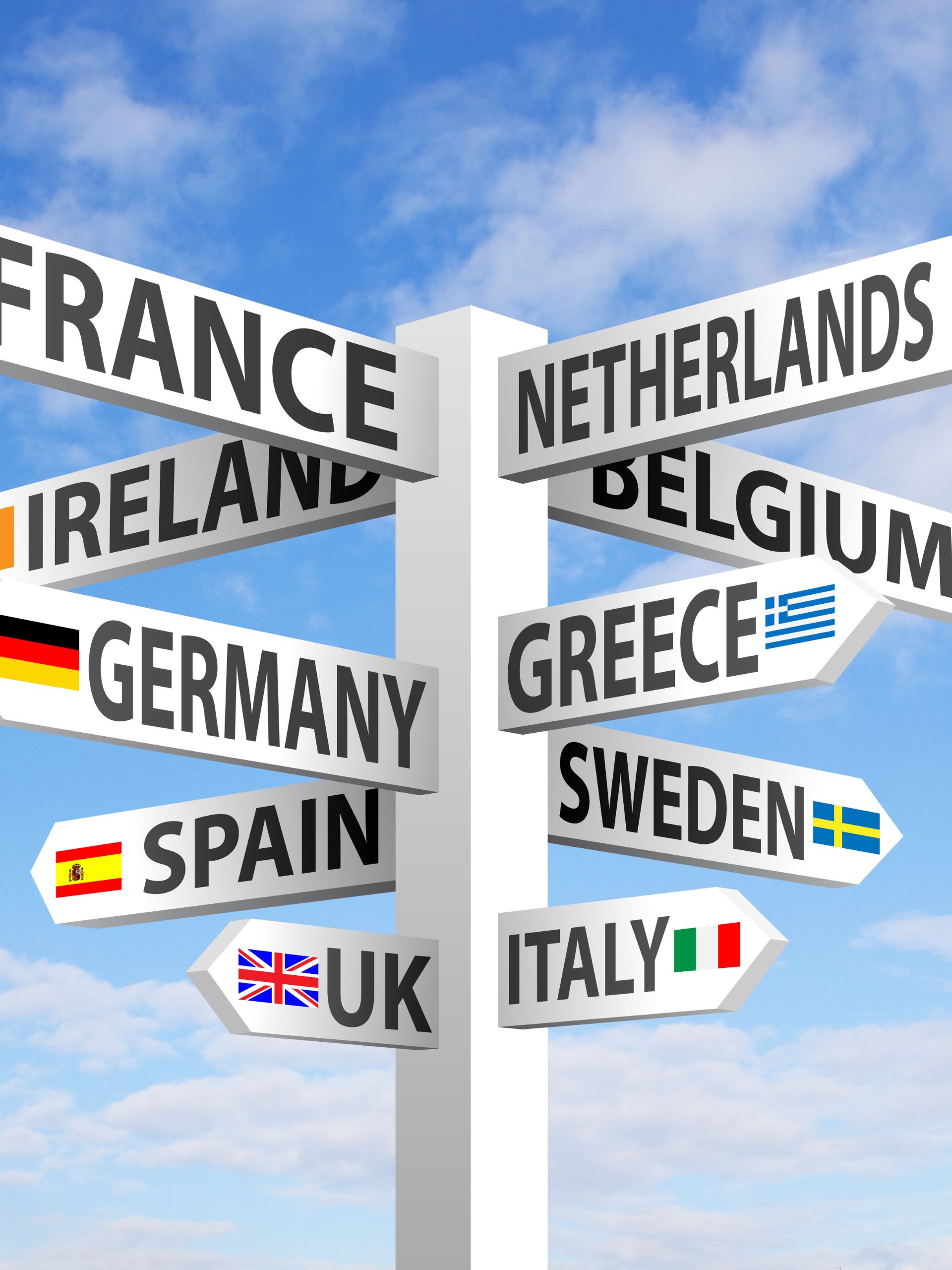
Leaving America: When You’re Living a Life You Don’t Want
After years of staying for family, I’ve realized leaving America—at least part-time—offers the space to feel present, free, and fulfilled. Living abroad isn’t about escape. It’s about choosing a slower rhythm, deeper connection, and a version of life that feels more honest than what I’ve settled for here.
TRAVEL EXPERIENCES

Read more
Our Passports Were Stolen in Mallorca—Here’s What Happened Next
As the dimly lit street emptied, a heavy silence settled around us. My purse, once slung carelessly over a chair, was gone. The contents—passports, credit cards, and cherished trinkets—vanished without a trace. Had we crossed paths with a cunning thief or stumbled into a hidden plot? The questions lingered.
SLOW TRAVEL & LIVING ABROAD
Read more
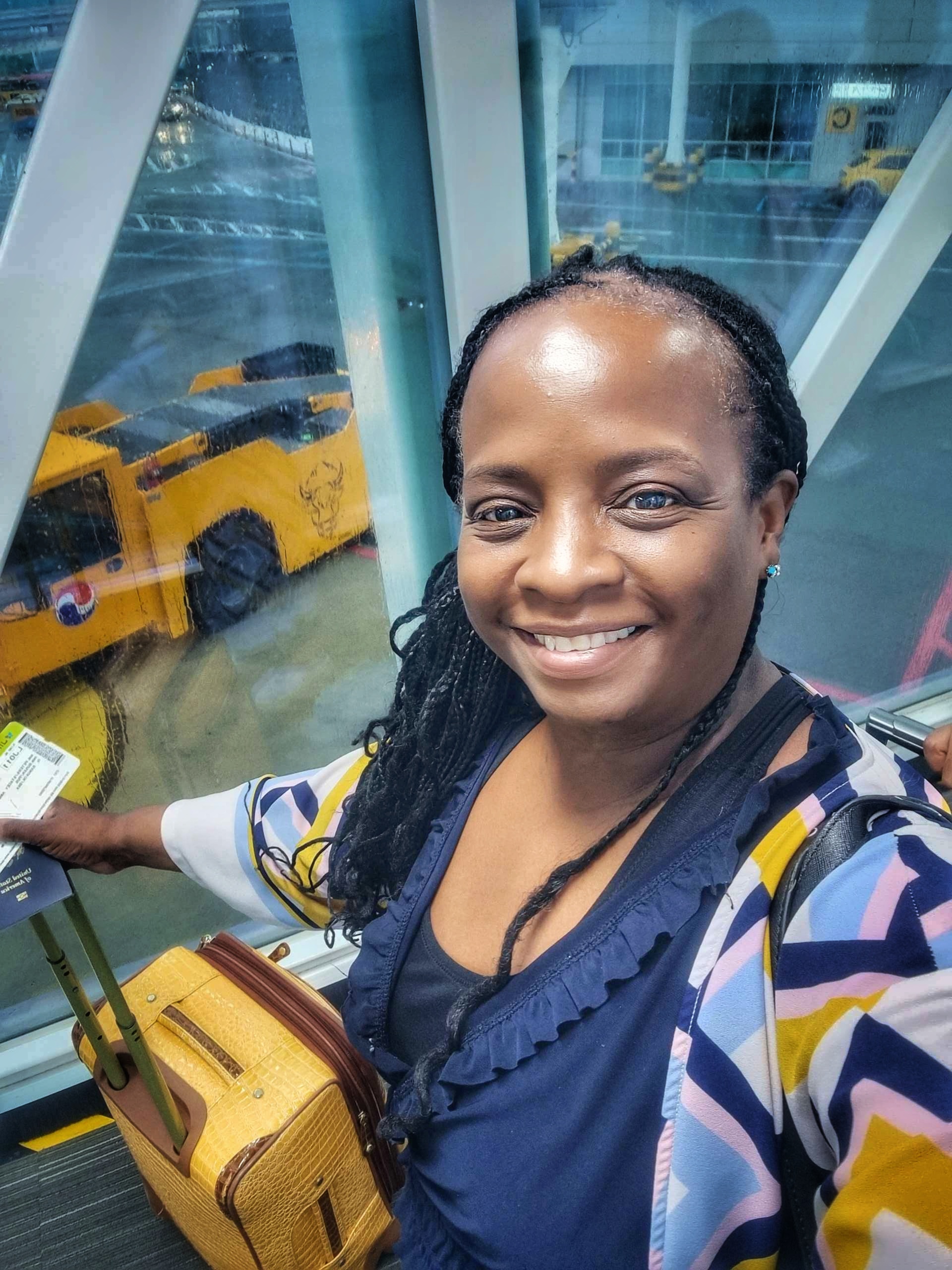
Leaving America: Where I’d Move If Democracy Breaks Down
Amid escalating U.S. political turmoil, I find myself contemplating options as the situation worsens. I’m not alone in considering relocation abroad to escape looming authoritarianism. While some may label me a fatalist, the thought of moving if democracy fails in America has crossed my mind.